
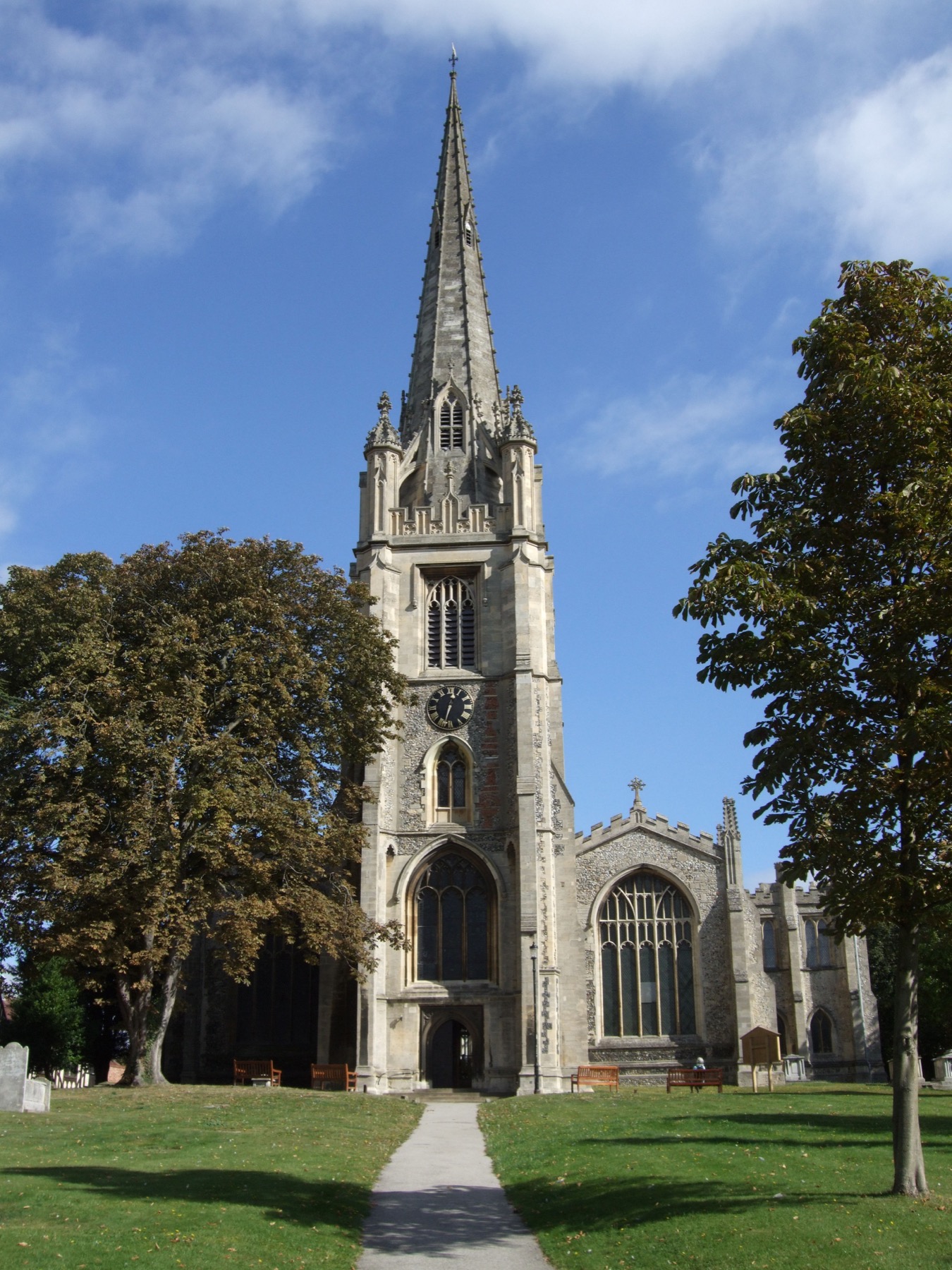
The spire and flint walls of St Mary’s Church in Saffron Walden
THE STORY OF SAFFRON WALDEN

Centuries of stories.
Still being written.

A castle, a crocus, a remarkable little town.
Discover the history beneath your feet.

STEP INTO OUR STORY
A place to belong,
through the ages.
ST MARY’S CHURCH · SAFFRON WALDEN
TRADITION MEETS TOMORROW

Some towns have history.
Ours wears it beautifully.

Look up from the shop windows and another Saffron Walden comes into view. A church spire above the rooftops. Weathered flint. Timber-framed houses along streets that invite you to slow down.

The town’s story brings together medieval power, trade, faith and local generosity. These are places to explore between a coffee and a browse — a living backdrop to the businesses and people who call Walden home.

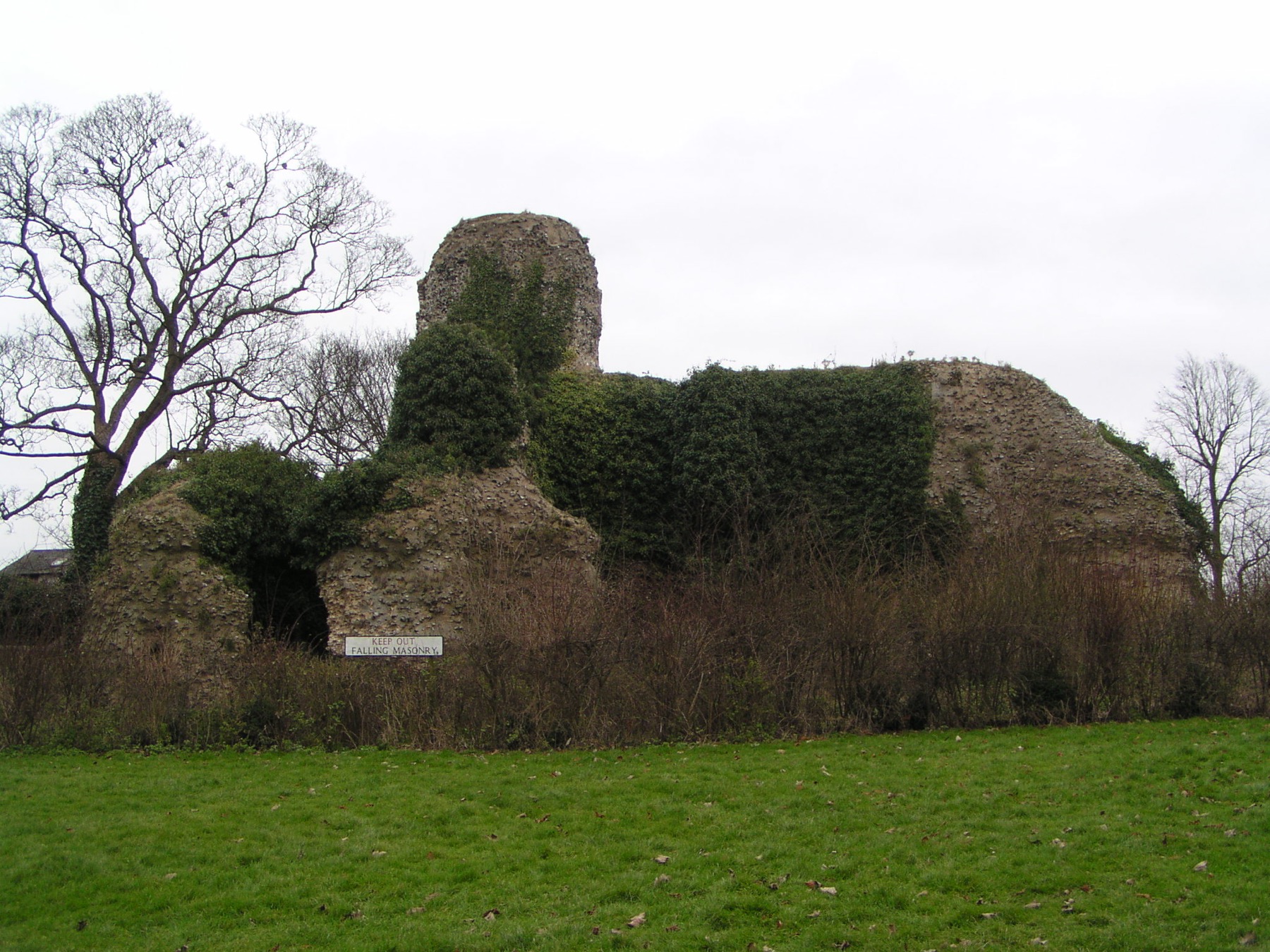
The surviving flint walls of Walden Castle
Walden Castle · a surviving fragment of medieval Walden
THE BEGINNINGS · 12TH CENTURY

A castle.
A market.
A town takes shape.

Walden Castle belongs to the turbulent years of King Stephen’s reign. Its earliest known mention is in 1141, associated with Geoffrey de Mandeville. The surviving ruins offer a tangible connection to the town’s Norman past.

The castle was partly destroyed on Henry II’s orders around 1158. Yet the settlement around it endured: the town’s market tradition is traced to 1141, tying Walden’s identity to commerce as well as power.

02 / THE FLOWER THAT LEFT ITS MARK

Small flower.
Extraordinary legacy.

The saffron in our story.

CROCUS SATIVUS

Before it was Saffron Walden, this was Walden. The cultivation of saffron crocuses helped give the town the name we know today, recorded by the 1540s.

The flower’s valuable stigmas supplied a spice used in cooking, dyes and historic remedies. Saffron cultivation flourished here in the 16th and 17th centuries, leaving a legacy that outlasted the trade itself.

It is a lovely thought as you wander: a small flower helped shape the identity of an entire town.

Read about the saffron trade — Wikipedia ↗
03 / HISTORY YOU CAN STILL SEE

Our past, in the present.

St Mary’s Church and its tall spire
ST MARY THE VIRGIN

The town’s
familiar silhouette.

St Mary’s is the largest parish church in Essex. A major rebuilding began around 1450, while the spire we recognise today was added in 1832. Its architecture records centuries of change in a single building.

Explore the church’s own history ↗
THE COMMON · TURF MAZE

A winding path
with a mysterious beginning.

The maze is recorded in 1699, when it was re-cut. Its exact origins remain uncertain; Historic England describes it as thought to be medieval. Repeated restoration has kept this unusual feature part of the town’s landscape.

Discover the maze — Historic England ↗
SAFFRON WALDEN MUSEUM · 1835

A town’s curiosity,
collected.

The museum welcomed the general public on 15 May 1835, three days after opening to trustees and subscribers. Built on Bury Hill, between the church and castle, it gave the town’s growing collections a permanent home.

Read the museum’s founding story ↗
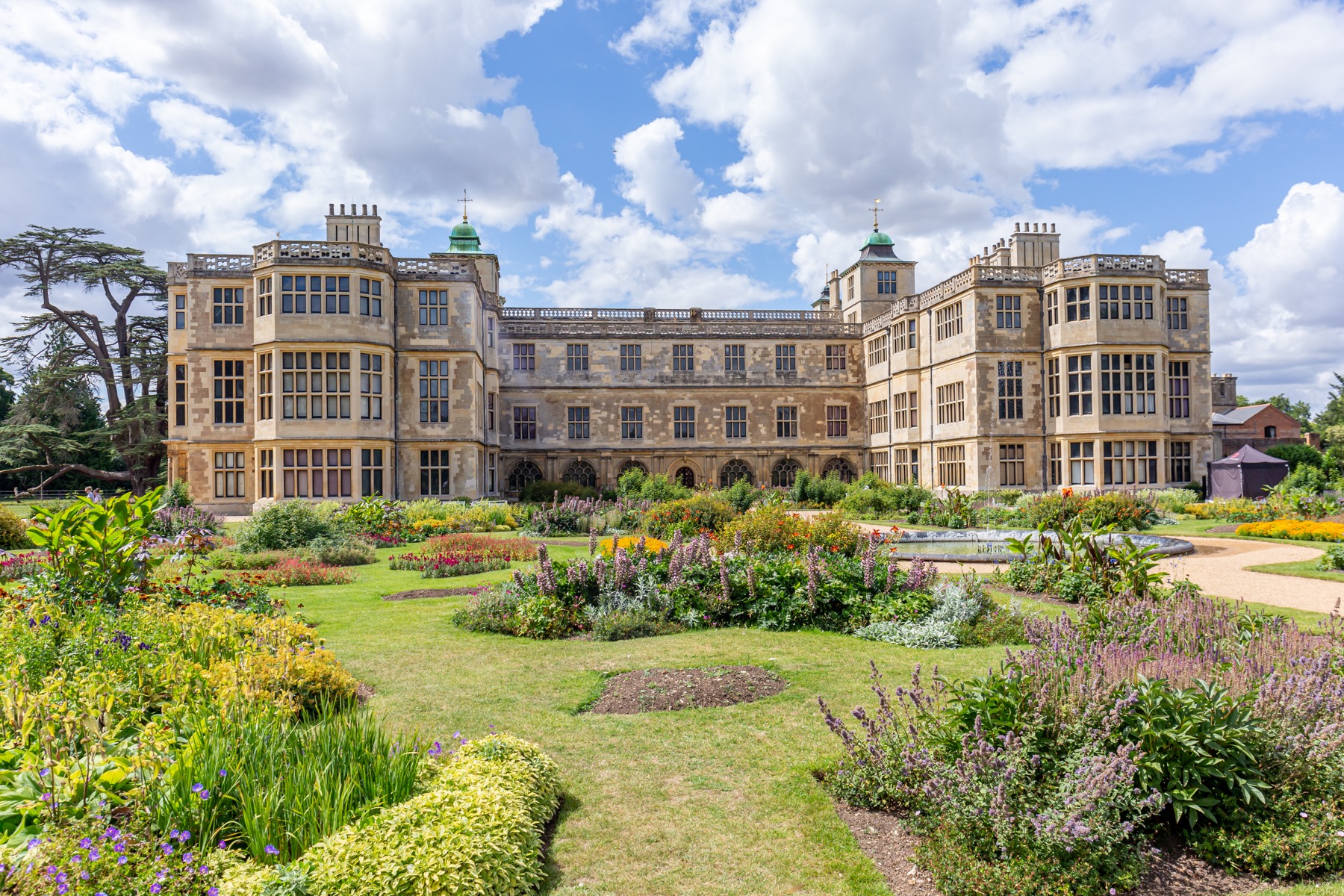
Audley End House seen across its gardens
JUST BEYOND THE TOWN

On a grander scale.
Audley End.

Built on the site of Walden Abbey, Audley End was transformed by Thomas Howard, Earl of Suffolk, around 1605–14 into a house of extraordinary ambition. Charles II bought it in 1667.

Later generations reshaped both house and grounds, with Robert Adam working on the interiors and Capability Brown remodelling the landscape in the 1760s. The surviving house is only part of the original mansion — but its presence is still remarkable.

Explore the history — English Heritage ↗

A little grandeur,
just around the corner.

04 / THROUGH THE AGES

A few chapters
in a long story.

Follow the thread from medieval Walden
to the town we know today.

  1. 1141

    Medieval foundations

    The castle appears in the historical record; the town traces its market tradition to this year.

    The beginnings ↑
  2. c.1450

    A church rebuilt

    Work begins on the great Perpendicular rebuilding of St Mary’s.

    Living landmarks ↑
  3. 1540s

    A name takes root

    Walden is recorded as Saffron Walden, reflecting its celebrated crop.

    The saffron story ↑
  4. 1605–14

    Jacobean ambition

    Audley End is rebuilt on a palatial scale for the Earl of Suffolk.

    English Heritage ↗
  5. 1835

    Opening a world of discovery

    The museum opens its doors to the public on Bury Hill.

    The museum story ↑
  6. Today

    The next chapter is local

    Discover the shops, cafés and businesses that make these historic streets part of everyday life.

    Meet today’s local businesses ↗
OUR HERITAGE. YOUR NEXT DISCOVERY.

Come for the history.
Stay for the town.

Plan your visit ↗Explore local businesses ↗

For the curious.

This introduction draws on Wikipedia, Historic England, English Heritage, Visit Saffron Walden, St Mary’s Church and Saffron Walden Museum. Source links sit alongside each story. Dates are approximate where indicated; the maze’s origins remain uncertain.

Photography & credits

Photographs are resized for the web and cropped in their page layouts, with colour overlays where shown. They depict the landmarks in later years, not reconstructions of their historical appearance.